


Today, fast cruising yachts in the 11 to 18 metre range are differentiated less by individual speed characteristics than by clearly contoured usage concepts - from sporty single-handed tourers to large-volume long-distance yachts with a hotel character. Essentially, four factors determine 80 per cent of the practical benefits: hull shape and stability concept, rigging and sail plan, deck and cockpit layout for small crews, as well as the design in terms of comfort, self-sufficiency and maintenance requirements.
The wide range of design philosophies is striking: articulated performance cruisers in wood-epoxy construction (RM 1080), customised aluminium yachts with a high focus on safety (Jager 37, Boreal 56), classic cruising yachts (Hallberg-Rassy 370) and voluminous large series cruisers with many comfort features (Hanse 590, Dufour 48, Hanse 360, Sun Odyssey 415). Parallel to this are highly customisable premium concepts such as the Saffier SL 46 and Wauquiez 55, which tailor performance and comfort more to a small number of owner crews than to the charter market. Sailing performance is solid to high across the entire field, with character and tolerance window being more decisive: some yachts require an active, experienced crew and consistent trimming, while others are very forgiving and remain good-natured even in rough conditions.
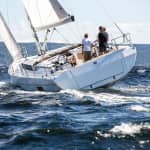
In terms of comfort and equipment, the trend towards light, modular interiors, large pantries, several wet rooms and separate technical or utility rooms is gaining ground - even in 11-metre yachts such as the Hanse 360 and Sun Odyssey 415. At the same time, the system mix is growing: electric winches, bow and stern thrusters, complex energy packages, air conditioning systems and hybrid or electric drives, some of which are pre-installed, increase living quality and ease of use, but also increase complexity and service requirements. In terms of price, the boats are clearly staggered: with the Sun Odyssey 415, Jeanneau is attempting a deliberate price brake in the twelve-metre segment, while Hanse, Dufour and the large premium shipyards cover the upper and luxury segment with increasingly extensive option lists; individual aluminium fittings are significantly higher, but offer a high level of individuality and robustness.
For the target groups, this means that charter and family crews will find the Hanse 360, Sun Odyssey 415, Dufour 48 and Hanse 590 to be large-volume, comfort-orientated cruisers with simple operation and attractive standard packages. Ambitious owners with a focus on speed and an independent sailing profile are more likely to find what they are looking for in the RM 1080, Saffier SL 46, Jager 37 or Wauquiez 55, while the Boreal 56 and Hallberg-Rassy 370 are classic boats aimed at small crews. This shifts the standard of comparison: instead of a "best all-rounder", it is the consistency of the concept that is decisive - whether the hull, rig, layout, systems and price structure match your own usage profile.
Conclusion: In the cruising yacht segment, it is not the maximum speed but the coherence of the utilisation concept that determines the real added value - those who clearly define their sailing areas, crew size and comfort expectations will find very different, highly specialised answers today.
Incidentally, in 2025 we also directly compared four cruising yachts around eleven metres in length on the water: the new Hanse 360 and the slightly older Oceanis 37.1, Bavaria C 38 and Sun Odyssey 380. Click here for the comprehensive comparison test...
RM 1080
The RM 1080 is a lightweight, dimensionally stable performance cruiser in wood-epoxy folding frame construction with a wide stern, twin rudders and a choice of chine keels or deep keel, which starts planing early, lies precisely on the rudder and enables high cruising speeds in moderate winds. The walkaround cockpit offers plenty of freedom of movement and quality of stay, but reduces the single-handed capability because many lines cannot be operated directly from the helm and the boat relies heavily on autopilot support and an active crew.
The interior is bright, functional and highly customisable, with varnished plywood surfaces, lots of windows, easily accessible technology and a practical storage space concept aimed at long-distance cruisers and family crews. The RM 1080 is priced above typical large series yachts of this size, but justifies this with its design, customisation and a deliberately independent performance profile.
To the test report...
Saffier SL 46
The Saffier SL 46 combines a slim, conservatively designed hull with a powerful rig, large cockpit and optional carbon mast to create a fast performance cruiser that offers high average speeds and a very direct steering feel even in medium winds. The deck layout is optimised for single-handed and small crew sailing, with a clear separation of working and living areas and extensive push-button functions that greatly simplify manoeuvres on course and coastal cruises.
Below deck, the SL 46 presents itself with high-quality fittings, large berths, variable use of space (e.g. utility room aft) and a high level of comfort on weekend and holiday cruises, but remains more media- and coastal-oriented than explicitly blue water-optimised. The basic price is in the upper segment, but is relativised by a very extensive range of standard equipment; additional automation and electronic options significantly increase costs and energy requirements.
To the test report...
Hanse 590
The Hanse 590 is a large-volume, fast-sailing cruiser with a wide stern, walkaround cockpit and optional hardtop, which despite its high displacement offers good upwind and room sheet performance and safe, good-natured handling thanks to its direct rudder. Electric winches, extensive autopilot and bow/stern thruster options enable even inexperienced crews and small crews to manoeuvre a yacht of this size safely.
Inside, the 590 offers a wide range of layout options from a distinctive owner's yacht to a charter configuration with several guest cabins, supplemented by a large galley, utility room and extensive air conditioning and energy systems. The entry-level price is in the upper large series range, but can quickly be extended into the range of a classic luxury yacht with comfort and technology packages.
To the test report...
Wauquiez 55
The Wauquiez 55 is a sporty blue water yacht with a centre cockpit, powerful rig and optional canting keel, which enables high average speeds, especially on rough courses, but is held back downwind by a sail and trim concept that has not yet been fully developed. The steering feel is somewhat filtered by long mechanical travel, which is why the use of the autopilot is recommended on long distances; electric winches and a systematic deck layout keep the yacht manageable for experienced but small crews.
The craftsmanship is of a very high standard, with light-coloured, high-quality woodwork, a spacious owner's cabin in the stern and an overall room concept designed for long-distance cruising comfort. In terms of technology, Wauquiez relies on high-quality, partly bus-controlled systems with a high level of self-sufficiency, while the price of just under two million euros without sails clearly positions the 55 in the premium blue water segment.
To the test report...
Jager 37
As a customised aluminium yacht with a deep keel, carbon rig and sporty sail plan, the Jager 37 is consistently designed for performance and seaworthiness, which is reflected in its high rigidity, dry running and very direct, sensitive tiller feel even in strong winds. The boat requires an active, experienced crew, but rewards them with high average speeds and safe behaviour in rough waters.
Inside, the Jager 37 combines a homely, high-quality interior with some deliberately reduced comfort details such as a small wet room, multifunctional areas and limited headroom in some areas, clearly in favour of weight and seaworthiness. In terms of price, the boat is - depending on the layout - at the significantly higher end of the 37-foot class and is aimed at owners who prefer a robust semi-custom aluminium yacht to a large series.
To the test report...
Dufour 48
The Dufour 48 is a voluminous, wide-built cruiser with distinctive chine edges and a large single rudder that delivers sporty sailing characteristics and good cruising speeds both upwind and downwind despite its weight and focus on comfort. The rudder reacts sensitively and offers a lot of feedback, but the cockpit geometry limits perfect one-handed operation because the helmsman cannot reach all the winches optimally.
Below deck, Dufour utilises the volume for numerous layout options from owner's version to charter configuration with up to four cabins, supplemented by a long galley, utility room and many easily accessible storage spaces with good ventilation. A mandatory equipment package raises the entry-level price to the upper mid-range of the class, but provides comprehensive basic equipment, including options for modern drive solutions.
To the test report...
Sun Odyssey 415
The Sun Odyssey 415 is based on a moderately slim, slightly modified hull with a redesigned stern, twin rudders and walkaround cockpit, which delivers a very balanced performance in moderate winds, reaches around 5.5 knots upwind at a 90 degree tacking angle and comes close to the true wind speed under Code Zero. The walkaround deck with recessed side decks allows the helmsman to work ergonomically on the winches both upwind and downwind, making the boat very suitable for small crews and single-handed sailing, but at the cost of a limited, more standing workspace behind the wheel.
In the saloon, the 415 switches to a much more conventional, open layout with an aft L-pantry, large seating area and second multifunctional table, which improves the impression of space and reduces production costs. The cabins remain spacious, two heads with separate showers are possible, a wide range of equipment options from additional refrigerators to electric propulsion and solar systems complete the profile; the deliberately lower entry-level price positions the 415 as an attractively priced option in the twelve-metre segment.
To the test report...
Hanse 360
The Hanse 360 is based on a wide, modern hull with distinctive chines and single rudder, which delivers solid sailing performance despite its large volume and high freeboard: around 6.5 knots upwind at a 90 degree tacking angle, over eight knots with a gennaker or code zero, with good-natured behaviour overall. The self-tacking jib as standard, sheets and halyards led to the helm and a simple, direct steering system make the boat attractive for small crews and single-handed sailors; additional sail and fitting options extend the range of uses.
Below deck, Hanse utilises the large width for high headroom, wide berths, variable layouts with two or three cabins and an optional second wet room in the foredeck, supplemented by a large galley and various refrigerator options. The interior quality is in the upper large series range, the list of options extends from wood and floor decors to alternative rig and drive concepts (including electric) to extensive energy and comfort equipment; in terms of price, the 360 is competitively positioned in the 11-metre market.
To the test report...
Hanse 360 ST
The Hanse 360 ST is based on the design of the Hanse 360, but offers a package designed for sportier sailing and more intensive trimming with an adapted sail wardrobe, extended fitting layout and refined handling. The sailing characteristics benefit from the increased trimmability, but remain good-natured and manageable for ambitious cruising crews.
In terms of equipment and fittings, the ST version largely follows the 360, supplemented by sportier options for sails, rigging and some interior details, which positions it as a "performance" variant within the series. The ST is priced higher than the basic version, but is aimed at owners who want to maximise the sailing potential of the hull concept without sacrificing cruising comfort.
To the test report...
Boreal 56
The Boreal 56 is a consistent aluminium circumnavigator with a long keel/swivel keel concept, high form and ballast stability as well as a protected rudder, which is optimised for heavy weather and extreme areas and offers solid but not spectacular performance in moderate winds. The deck layout with deck saloon, deep cockpit, high freeboard edge and numerous handrails focusses on safety and protection and is aimed at small, experienced crews on long voyages.
Below deck, the Boreal 56 combines a functional, seaworthy interior with great self-sufficiency: generous tanks for water and diesel, workshop and storage space, heating systems and robustly dimensioned technology form the framework. The price is clearly at the upper end of the market, but is typical for an individually configured aluminium yacht of this size that is tailored to extreme offshore sailing.
To the test report...
Hallberg-Rassy 370
The Hallberg-Rassy 370 is a classic blue water cruiser with a balanced hull, moderate draught, structured rig and high ballast ratio, which impresses more with its course stability, pleasant movements and good-natured behaviour on long trips than with maximum speed. The centre cockpit and the clear, solidly dimensioned deck layout offer a high level of safety and clear working areas even in heavy weather, but appeal more to experienced cruising crews than single-handed sailors.
In the interior, Hallberg-Rassy favours high-quality woodwork, a classic maritime ambience and a seaworthy layout with a safe galley, ample storage space and a comfortable owner's and forward cabin. The 370 is priced in the upper quality segment and is aimed at owners with a long-term perspective who value substance, value retention and a worldwide service network.
To the test report...

Lars Bolle
Chief Editor Digital
