


Mediterranean dream destinations: Mahón - Menorca's British harbour wonder
Jill Grigoleit
· 28.05.2026


Between honey-coloured facades, deep blue water and the steep cliffs of Menorca lies Mahón - Maó in Catalan. At first glance, the island's capital appears Mediterranean and laid-back, but surprises with its British heritage, mysterious fortresses and is said to be the birthplace of a world-famous culinary speciality.
The natural harbour of Mahón is the largest natural deep-water harbour in Europe and the second largest in the world after Sydney. The fjord-like bay cuts almost six kilometres into the east coast of Menorca - so protected that for centuries Phoenicians, Romans, Ottomans, French and British fought over this strategically located place.
British heritage on Menorca
The British in particular left their mark in the 18th century: red brick villas, Georgian window fronts, mullioned windows and: a passion for gin. To this day, the Union Jack still flies at the stern of many guest ships. Evidence of the island's eventful history can be found everywhere in the city. The British once declared Mahón a free port and turned the town into an important naval base in the Mediterranean. Even today, English family names on doorbell signs, typical sash windows and old warehouses are reminders of this time. Many older residents of Menorca still use English words in everyday Catalan - a linguistic echo from more than 70 years of British rule.
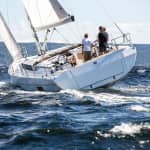
- Name: Mahón (Maó), Menorca, Spain
- Location: East coast of Menorca
- Position: 39°53' N, 4°16' E
- Special feature: The largest natural harbour in Europe
For guest travellers
The harbour of Mahón stretches deep into the island's interior and offers several marinas, moorings and smaller club harbours along the entire bay. The moorings near the old town are particularly popular with sailors, with restaurants, supermarkets and the famous market hall all within easy walking distance.
The Marina Port Mahón with 30 berths for yachts of 25-60 metres is aimed at a more exclusive clientele, while the Marina Menorca seven pontoons with a total capacity of more than 200 berths, just ten minutes from the historic city centre. The Club Marítimo de Mahón has guest berths in the main season from 01 April, which can be booked online. Many marinas allocate day berths flexibly by radio/VHF on arrival. However, guest berths are often fully booked in July and August.
The sheltered location makes Mahón a safe haven even in changeable weather. However, the long, narrow harbour sometimes creates heavy swell when ferries or fast excursion catamarans come in.
Shore leave and activities
The best way to discover Mahón is on foot. The old town rises steeply above the harbour, connected by winding staircases, narrow alleyways and numerous miradores - viewing balconies with sweeping views over the water. The influences of the British occupation on the architecture mingle with Spanish and Moorish elements.
An insider tip is somewhat hidden right by the water: the small Xoriguer gin distillery. Gin is still produced there today according to a recipe from the 18th century in copper wood-fired stills - but not on a grain basis as in England, but with wine alcohol. The result tastes softer, more herbal and Mediterranean.
An absolute must is a dinghy trip to the harbour entrance. There you will find the mighty La Mola fortress and the remains of Fort Marlborough.
Cuisine and events
According to legend, a French cook improvised a sauce after the conquest of Mahón in 1756 because there was no cream - he used olive oil instead. Salsa Mahonesa" is said to have later given rise to "mayonnaise".
Otherwise, Mahón combines seafaring tradition with Balearic cuisine. The small taverns in the harbour serve caldereta de langosta, grilled octopus and the famous Mahón cheese, whose slightly salty flavour is said to come from the constant sea breeze. At sunset, locals like to drink a "pomada" - the typical mix of Menorcan gin and lemonade. During summer festivals, the drink is served by the litre. Some bars serve the pomada ice cold in metal cups, a tradition dating back to the time of the harbour workers.
Mahón becomes particularly lively during the "Festes de la Mare de Déu de Gràcia" at the beginning of September. Decorated horses parade through the old town, bands play in the squares and the entire harbour promenade is transformed into a single Mediterranean summer night.

Jill Grigoleit
Editor Travel
